Settlement & Founding
LANDING IN AMERICA
The Virginia Settlement
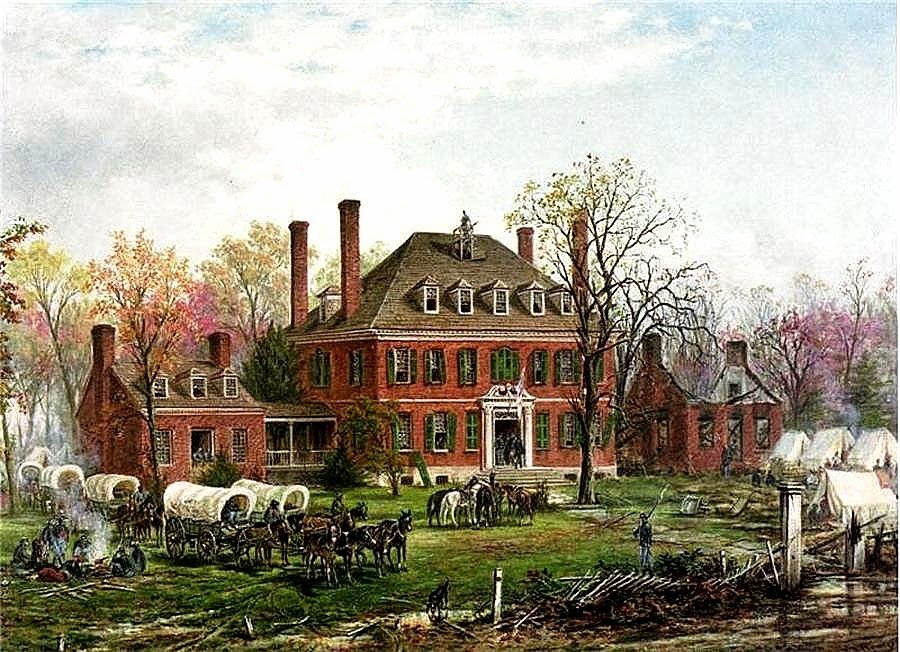
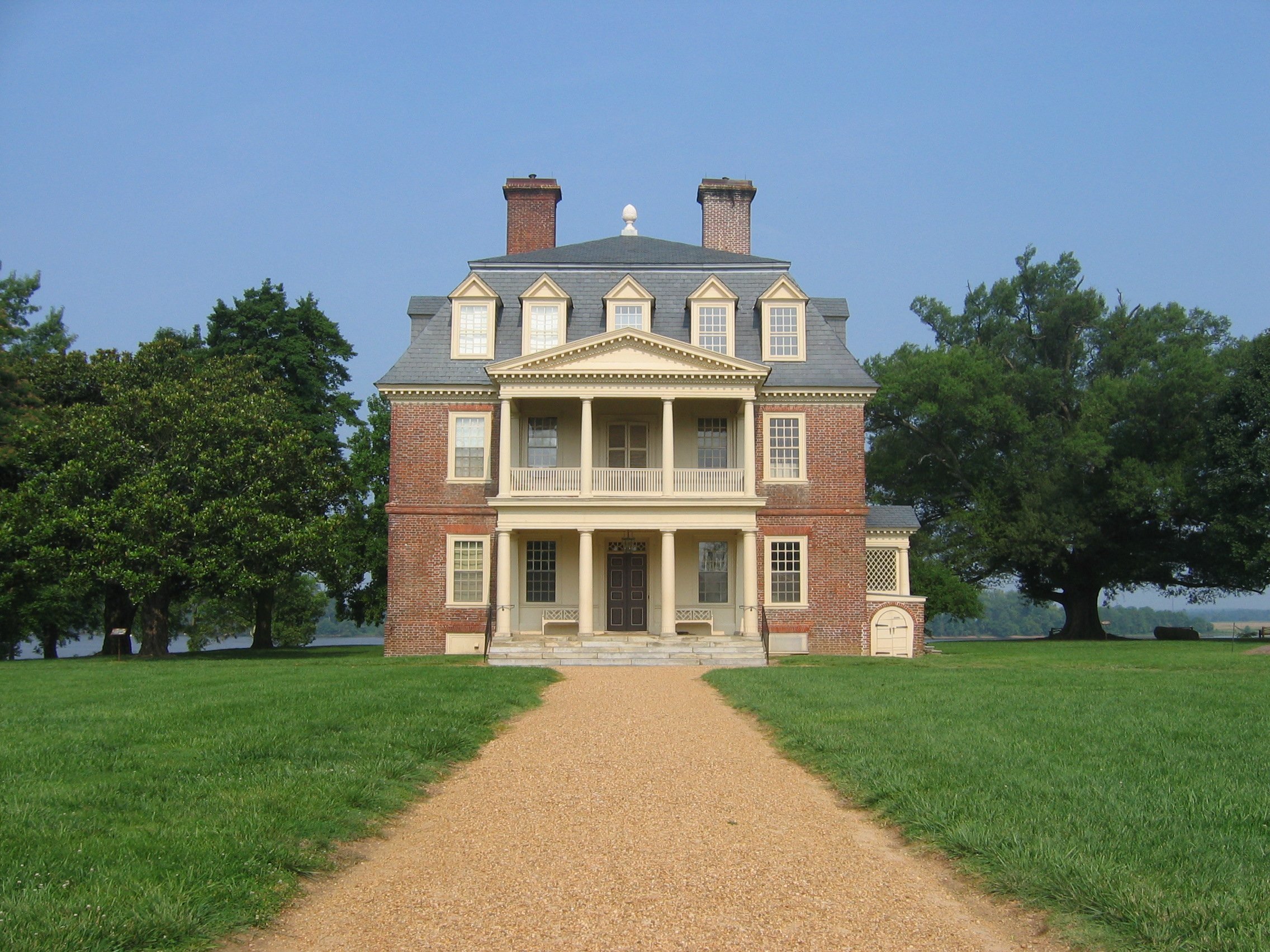
The first Thomas Warwick in the family tree appears in Middlesex County, Virginia records in 1664, with a land patent on Parratt's Creek on the Rappahannock River. Edward Hill Sr., a direct ancestor via the Byrd-Bradfute-Warwick line, arrived in Virginia in 1623, one year after the devastating Powhatan attack that killed nearly a third of the English colonial population. He built the core of Shirley Plantation, one of the oldest continuously occupied English settlements in North America, still operated by the same Hill-Carter family today and open for tours approximately 40 minutes from Richmond.
Richard Bennett Sr. arrived in Virginia in the 1620s and became Parliamentary Governor of Virginia (1652–55) during the Interregnum after Charles I's execution. He represented the Puritan presence within Anglican Virginia, an early bridge between the two worlds this family would eventually unite.
SPECIAL FEATURE
The Reverend John Davenport:
Founding New Haven
1597–1670 · Coventry, England to New Haven, Connecticut
In April 1638, The Rev. John Davenport and a company of Puritan settlers came ashore at what would become New Haven, Connecticut. New Haven Colony was one of the most deliberately designed communities in early American history. Davenport designed the town on a grid of nine squares, modeled on his understanding of the encampment of the Israelites in the wilderness. The Fundamental Agreement of 1639 declared the colony to be governed by scripture, with voting rights restricted to church members. He also helped found Hopkins School in 1660, still operating today as one of the oldest schools in America.
Davenport envisioned a college for the colony from early on. That vision was realized in 1701, thirty years after his death, when Yale College was founded in New Haven. Yale's Davenport College is named in his honor. His portrait, one of the earliest American portraits painted from life, hangs in Yale's collection.
"New Haven Colony began in the conscience of John Davenport." (Francis J. Bremer, John Davenport: The American Career of an International Puritan, 2005)
In 1661, two of the regicide judges, Whalley and Goffe, who had sat on the court that condemned Charles I to the scaffold, came to Davenport for refuge. He hid them in his house before they were forced to flee to a cave on West Rock, outside the city. Davenport risked everything for them.
"Borne into Port, Living, the Ornament of New England and the Church; Dead, an Irreparable Loss to Both." (Cotton Mather's epitaph for The Rev. John Davenport)
The Land and Its People: The founding of the colony displaced the Quinnipiac people from their homeland, a consequence the historical record is clear about, even where the historical actors were not. Thomas Stanton, also in this family tree, spent decades as the most important interpreter between English settlers and Native nations in Connecticut, and was trusted by some Native leaders as a relatively honest broker in a world that offered very little space for that kind of trust.
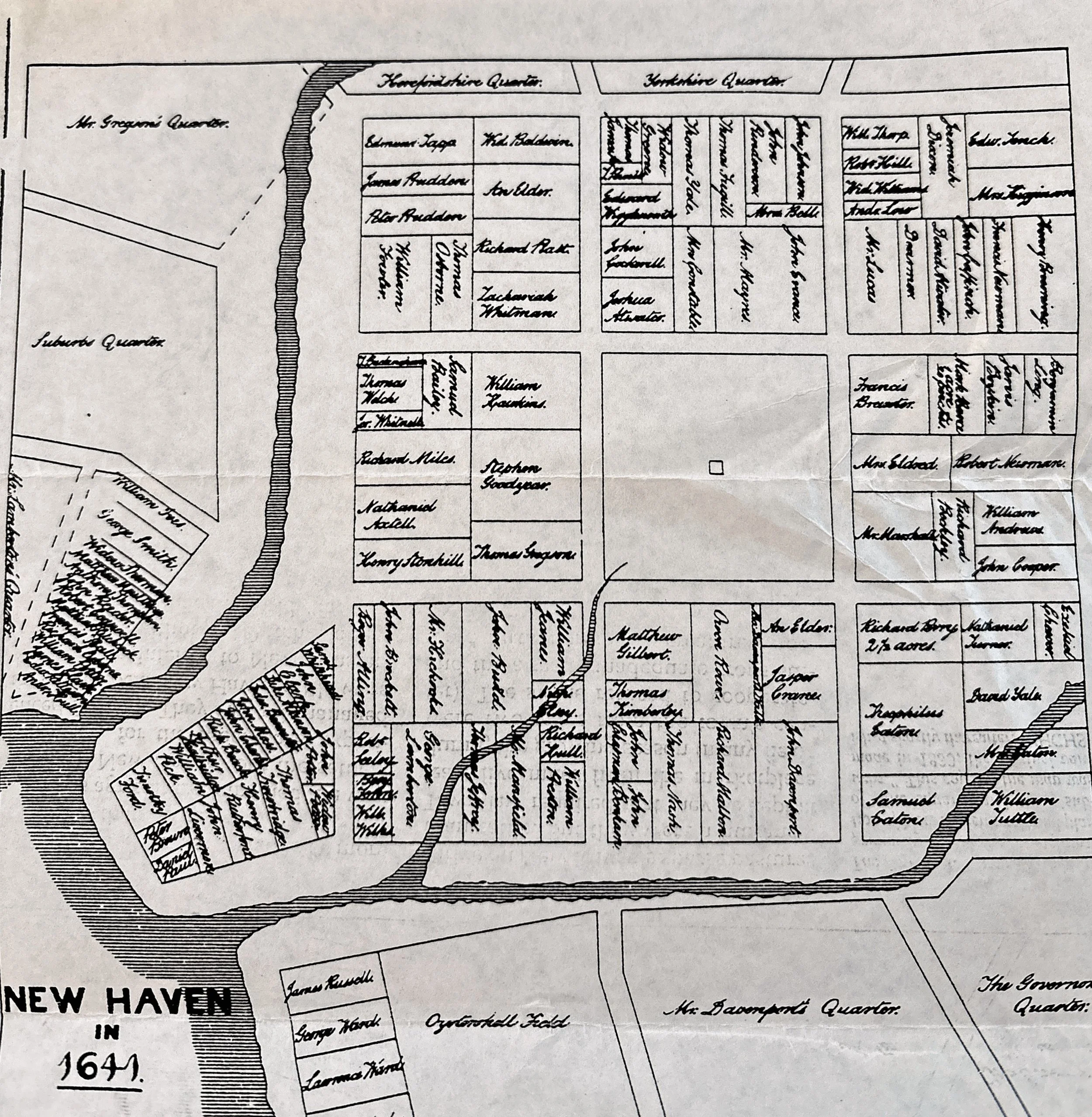
The "Brockett" 1641 map of New Haven, Connecticut, showing the colony's original plan of nine squares and two outlying "suburbs." Mr. Davenport's Quarter is marked among them.
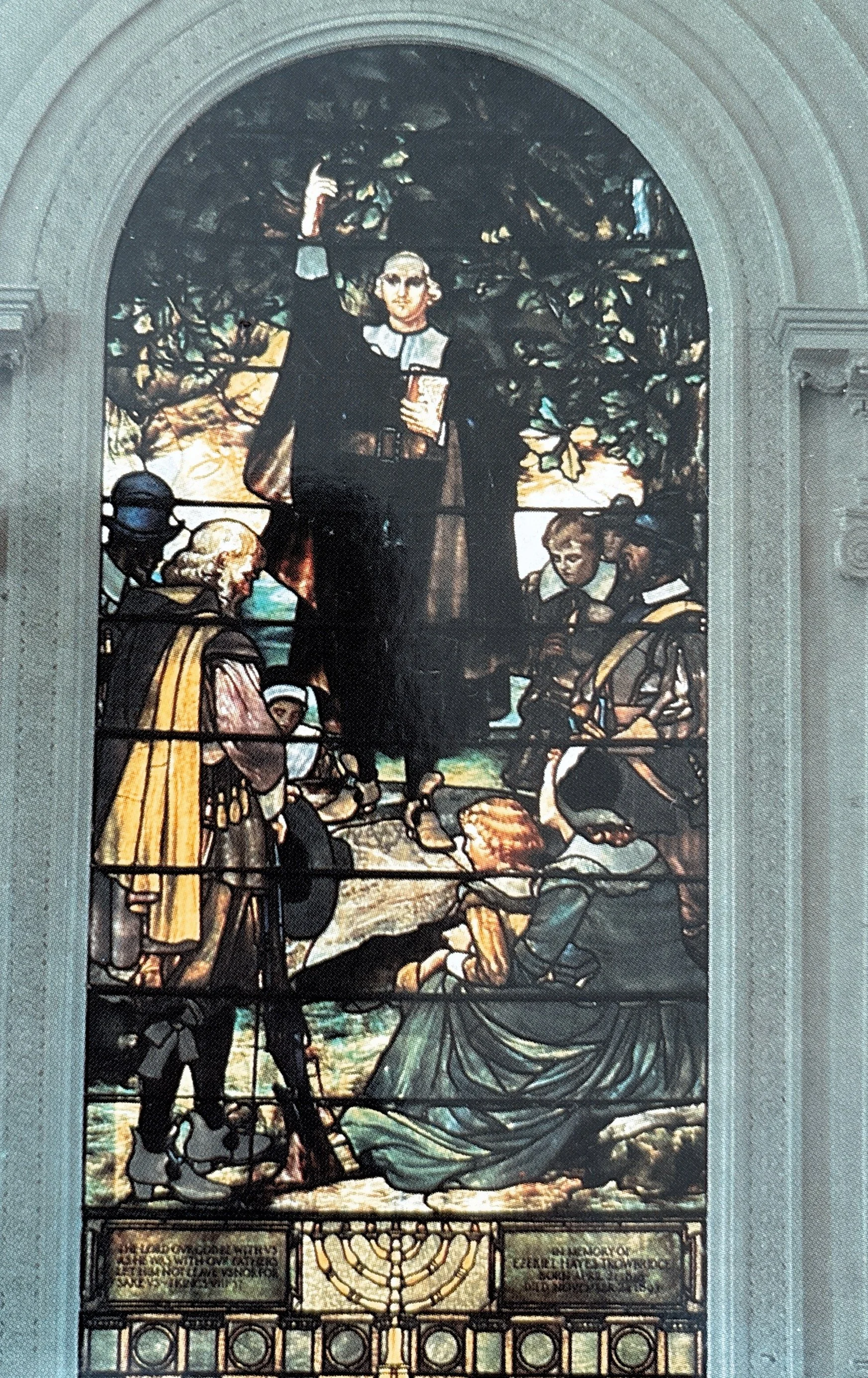
The Davenport Window at Center Church, New Haven, Connecticut, depicting the Rev. John Davenport preaching to his fellow colonists on Sunday, April 25, 1638.
William Byrd II:
Founding Richmond
1674–1744 · Westover Plantation to the Falls of the James River
William Byrd II was born in Virginia in 1674 but spent much of his early life in England. He was educated at Felsted School in Essex, trained in commerce in London and Rotterdam, called to the bar at the Middle Temple in 1695, and elected a Fellow of the Royal Society in 1696. He moved between England and Virginia multiple times, accumulating one of the largest private libraries in the colonies (approximately 4,000 volumes).
In 1737, Byrd surveyed the falls of the James River, the natural head of navigation, where oceangoing ships could travel no further, and laid out the city of Richmond.
Accomplishment and Accountability
The cultured portrait, the Royal Society fellowship, the 4,000-volume library, the beautiful Westover Plantation, coexisted with a reality the historical record does not allow us to ignore. Byrd's diaries, written in shorthand cipher and not decoded until the 20th century, reveal the system of enslaved labor that made all of it possible. Westover Plantation still stands today as one of the finest examples of Georgian colonial architecture in America, approximately 45 minutes from Richmond and open for tours. Both things are true.