Davenport Hollow
So many Davenports lived on or near one quiet stretch of road that the family started calling it Davenport Hollow. The nickname says something about how thoroughly this family took root in Richmond's west end.
Of Sidney and Marguerite's five sons, all but Stephen (who built his life as an Episcopal priest in Kentucky) eventually made their homes on or near the lane as adults. Bradfute Jr., Betty, Huntley and Jean, Sydney and Barbara, and their children have all lived in the Hollow, and the pattern has carried into the generations since. More family members settled in the broader neighborhood.
The Octagonal House
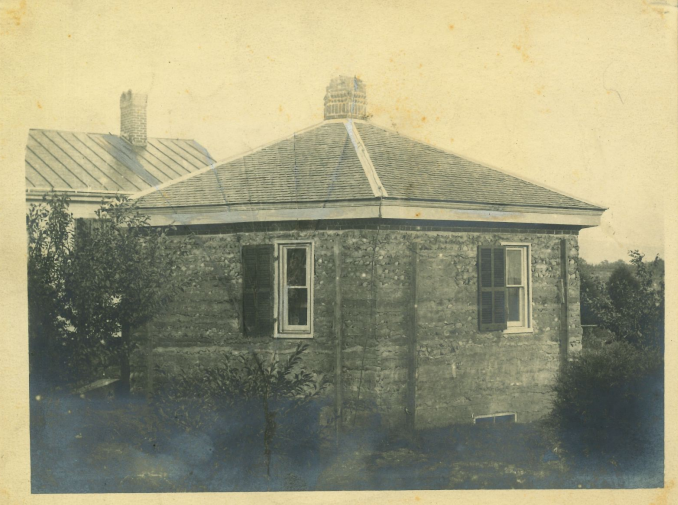
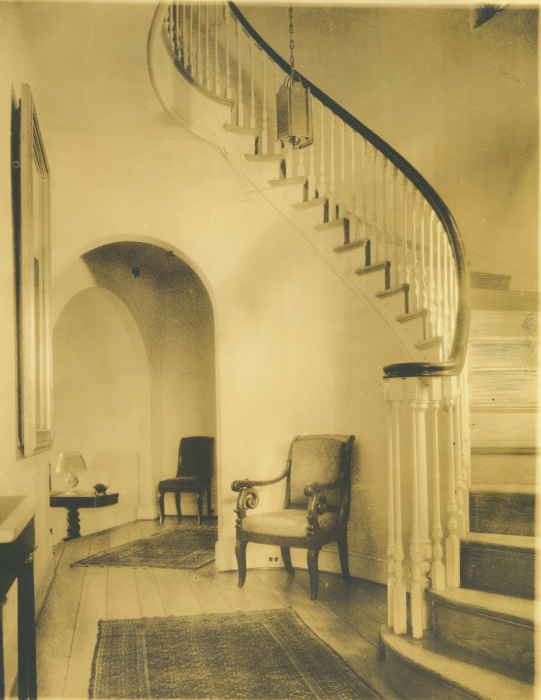
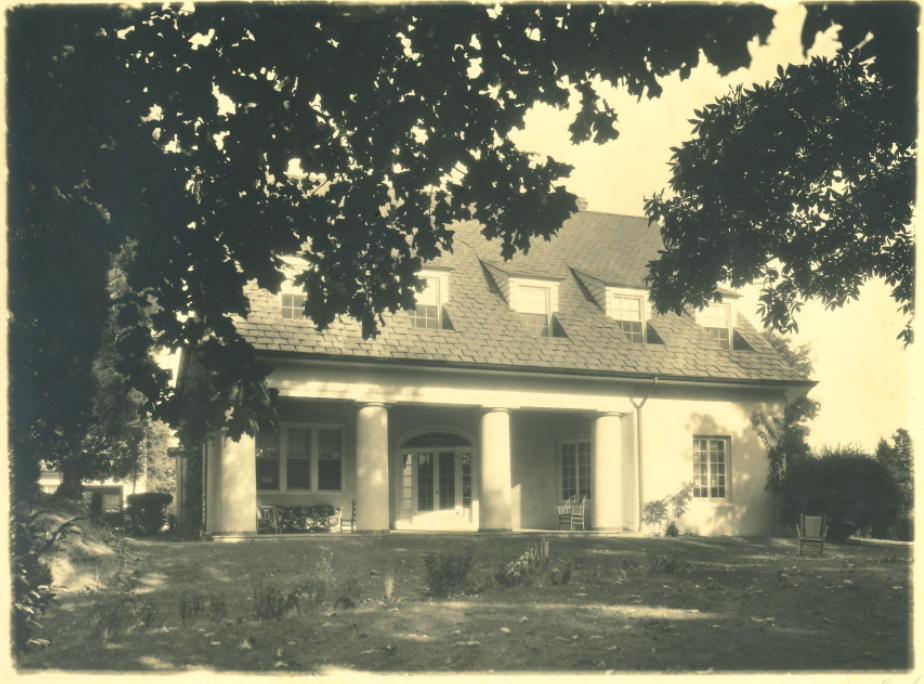
It started in 1911, when Sidney and Marguerite bought a ten acre farm in Henrico County from an Englishman named Mr. Matthews. The property came with an unusual octagonal stone building, walls roughly three feet thick, packed solid with rocky debris because Matthews feared "the winds of the West" would blow it down. They did not. The octagonal room survived to become the living room and architectural heart of the house. It's a fittingly eccentric centerpiece for a family this committed to doing things the confusing way.
Marguerite called the house "Bellevue," for its pretty view, even as the wider family knew the street as Davenport Hollow.
The House That Changed Its Own Address
When the brothers built their own houses on the lane, the numbering got tangled. One brother's address ended up matching the original house. Then the original house was extended, the numbering quietly gave up, and today the old family home sits at a lower number than it started with. The house itself never moved an inch. Its number did. A family that could not keep its Johns numbered correctly across three centuries also managed to misplace a house number on a single street, which is a trick most houses never learn.
What Came Before
Family recollection places Civil War skirmishes in the neighborhood and describes old earthworks once visible in Marguerite's yard. In her 2006 memoir, Marguerite Warwick Davenport Lord called them "Indian breastworks," and her father found arrowheads nearby. Whether the earthworks were Indigenous, Civil War-era, or layered from more than one period remains an open question. A separate family story, still to be verified, says a Union soldier was captured and buried somewhere on a nearby golf course.
A Household Reshuffled
In December 1918, Sidney and Marguerite's daughter Imogen Warwick Burrows died in the great influenza epidemic, leaving two young girls, Imogen and Ida. The girls came to live with their grandparents at the Hollow. Their arrival reshaped the household so much that Stephen and his brother, the two youngest Davenport boys, moved into the rooms above the garage to make room. (Imogen and Ida's full story is told elsewhere in the family history.)
Household Memory
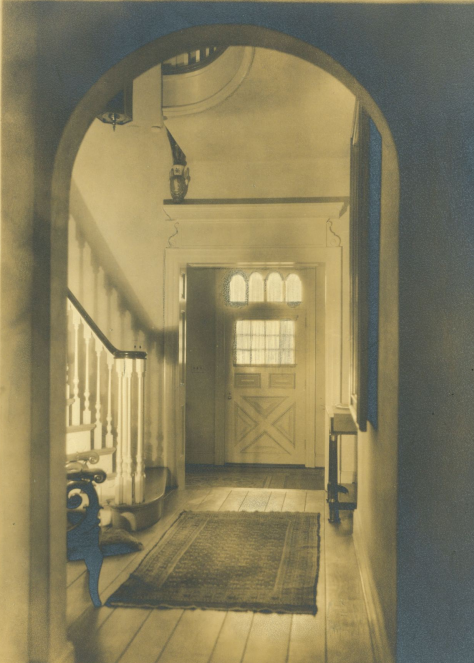
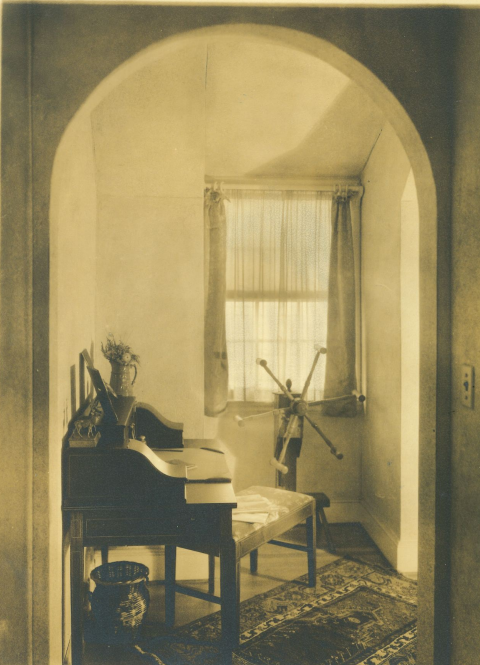
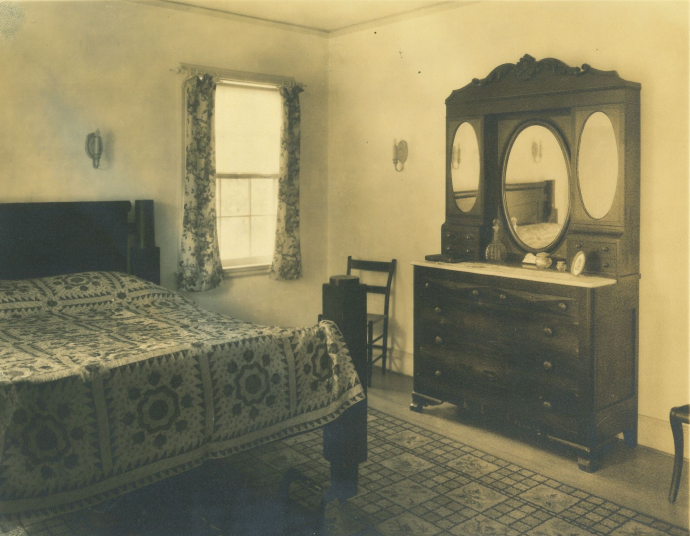
What people remember of the Hollow is mostly small things. Buttercup the cow and Henny Penny the chicken. Sam the yardman and Sarah the cook. Sunday dinners after church and High's vanilla ice cream. Test tube hummingbird feeders painted red. Children hiding in the octagonal room attic. Marguerite painting vines into the cracks in the plaster walls because the cracks were there and the walls were hers.
Marguerite lived in the house until she was about eighty-five, with a woman named Mrs. White living alongside her, before moving to a rest home. Sarah, her cook, lived in a little house nearby and owned the first television in the neighborhood. The Davenport children would go upstairs to watch it, sitting on her lap and feasting on Sarah's homemade rolls. Uncle Byrd got a set of his own sometime later.
The Carters Came Back
The old house is now owned by family friends who are themselves descendants of the Carter family, the same Robert "King" Carter who is a direct ancestor in this family tree. They're also, incidentally, cousins on another side of the family. After more than a century, the Hollow is still keeping things in the family, even when it doesn't know it.
Probate
After John Sidney Davenport, Jr.’s death in 1946, the 6118 St. Andrews Lane estate was valued at $51,000 when it was admitted to probate in the Chancery Court today.
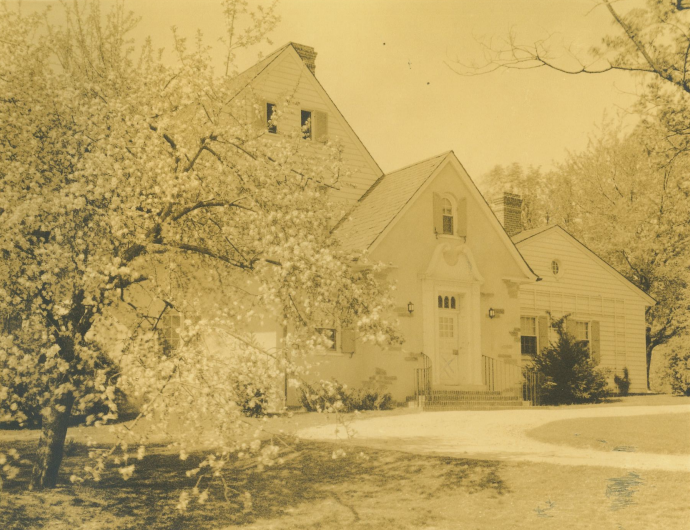
Byrd and Alice's house (taken in 2025, after Brad & Suzanne's addition)
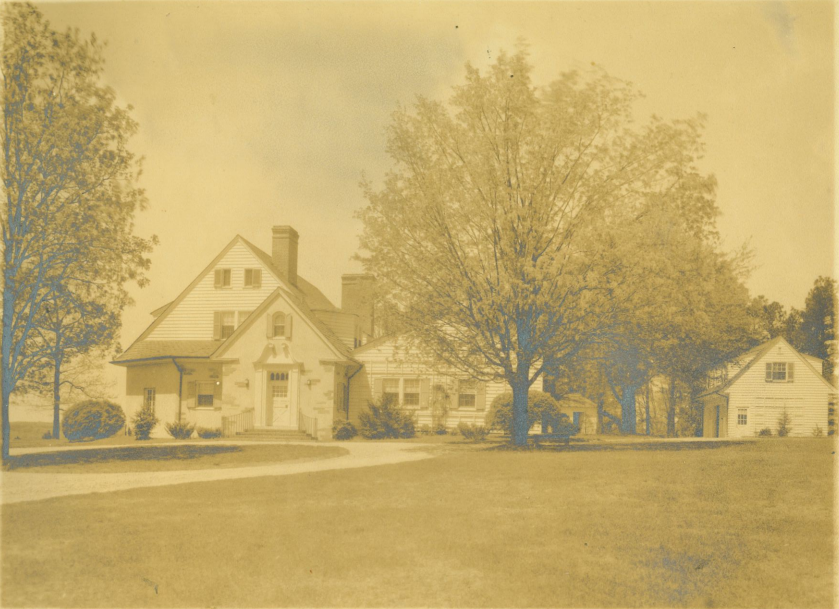
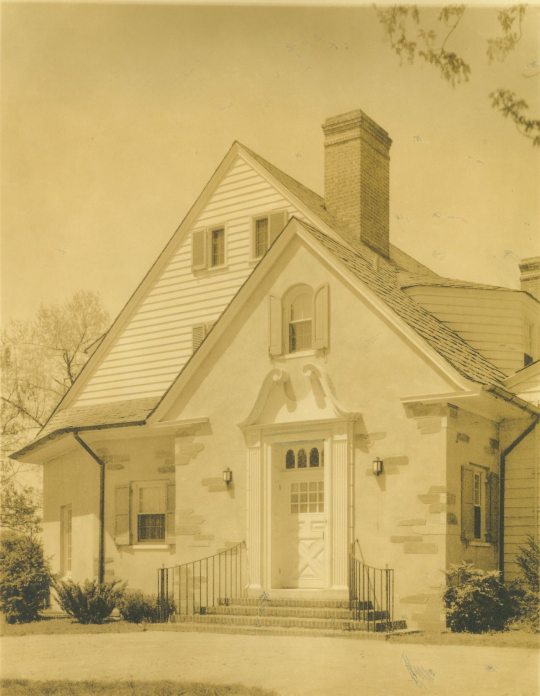
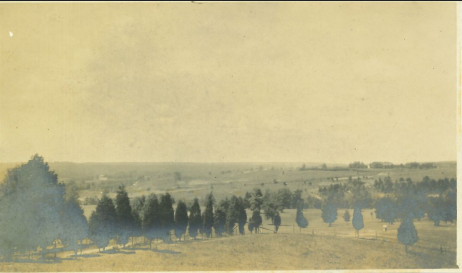
View from the Original 6118 House
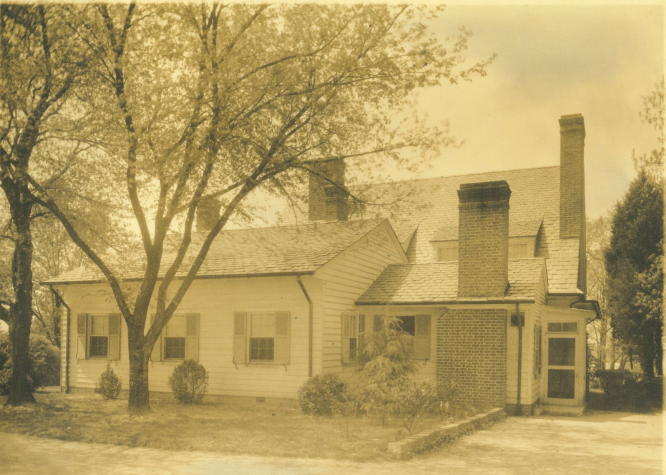
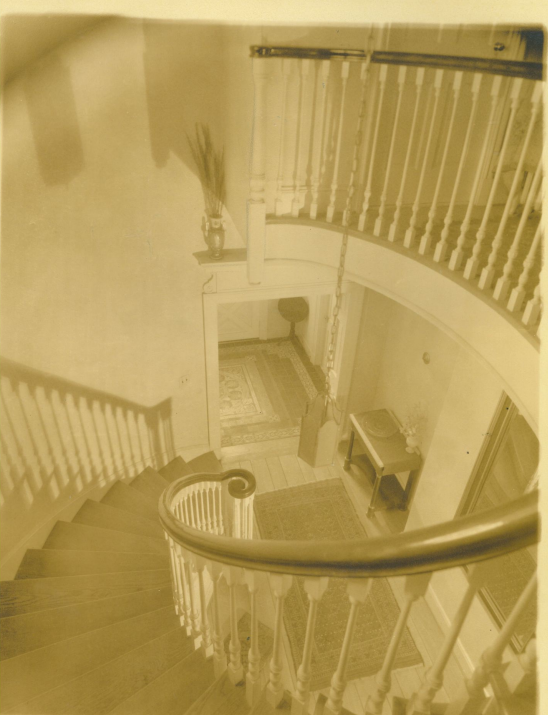
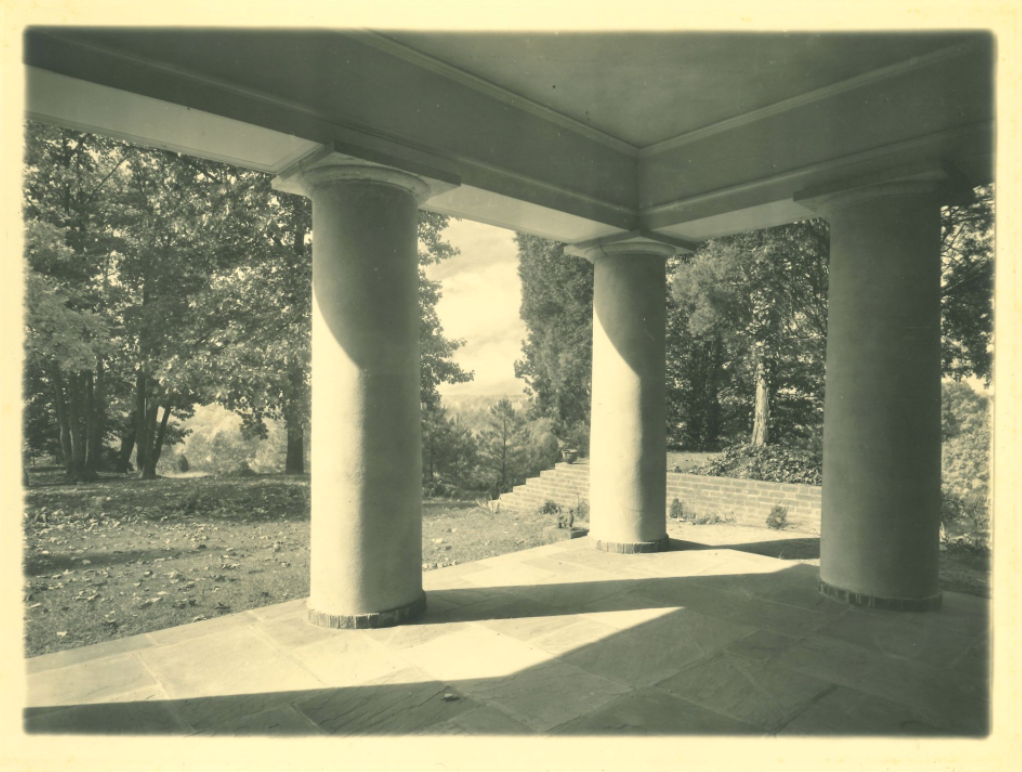
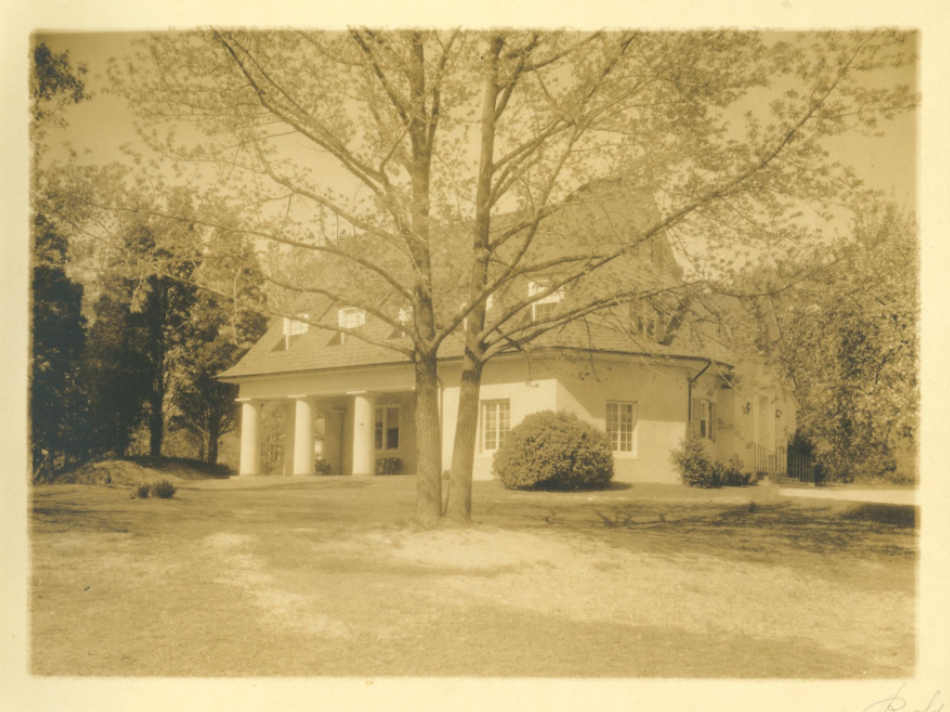
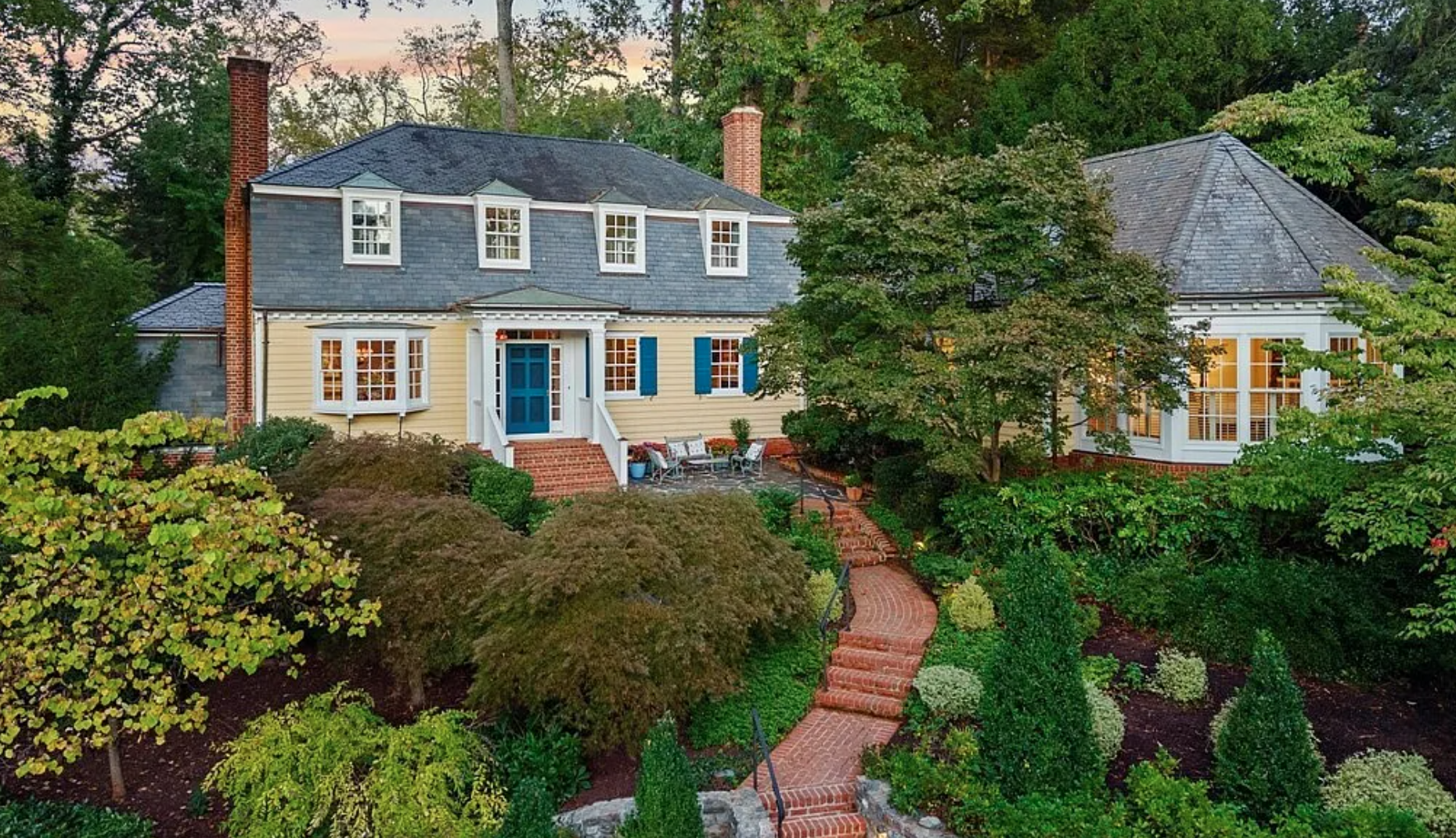
Byrd & Alice's House; Photo taken in 2025, after Brad & Suzanne's addition
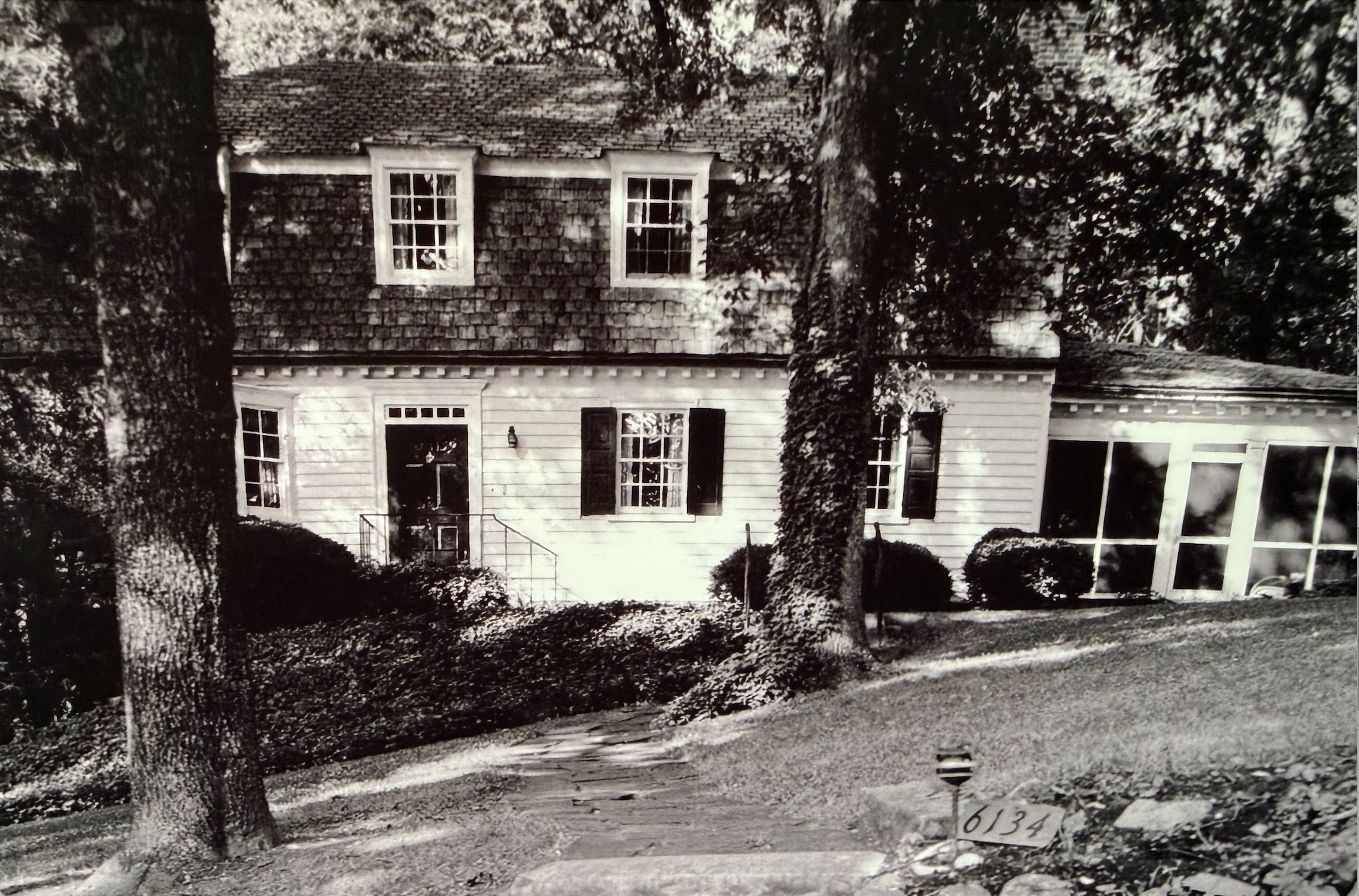
Byrd & Alice's house (6134 St. Andrews)
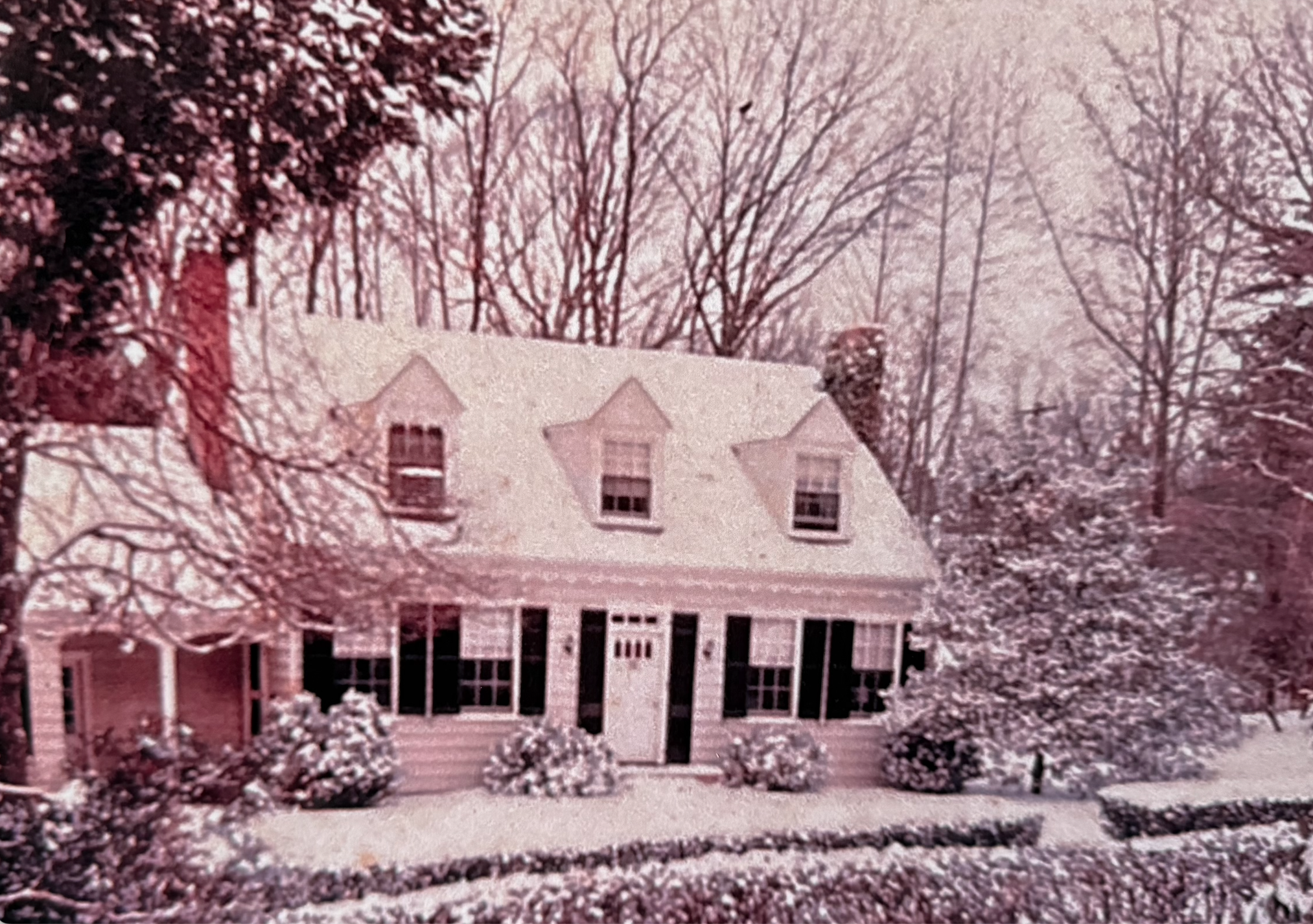
Roswell & Jane's House (6132 St. Andrews)
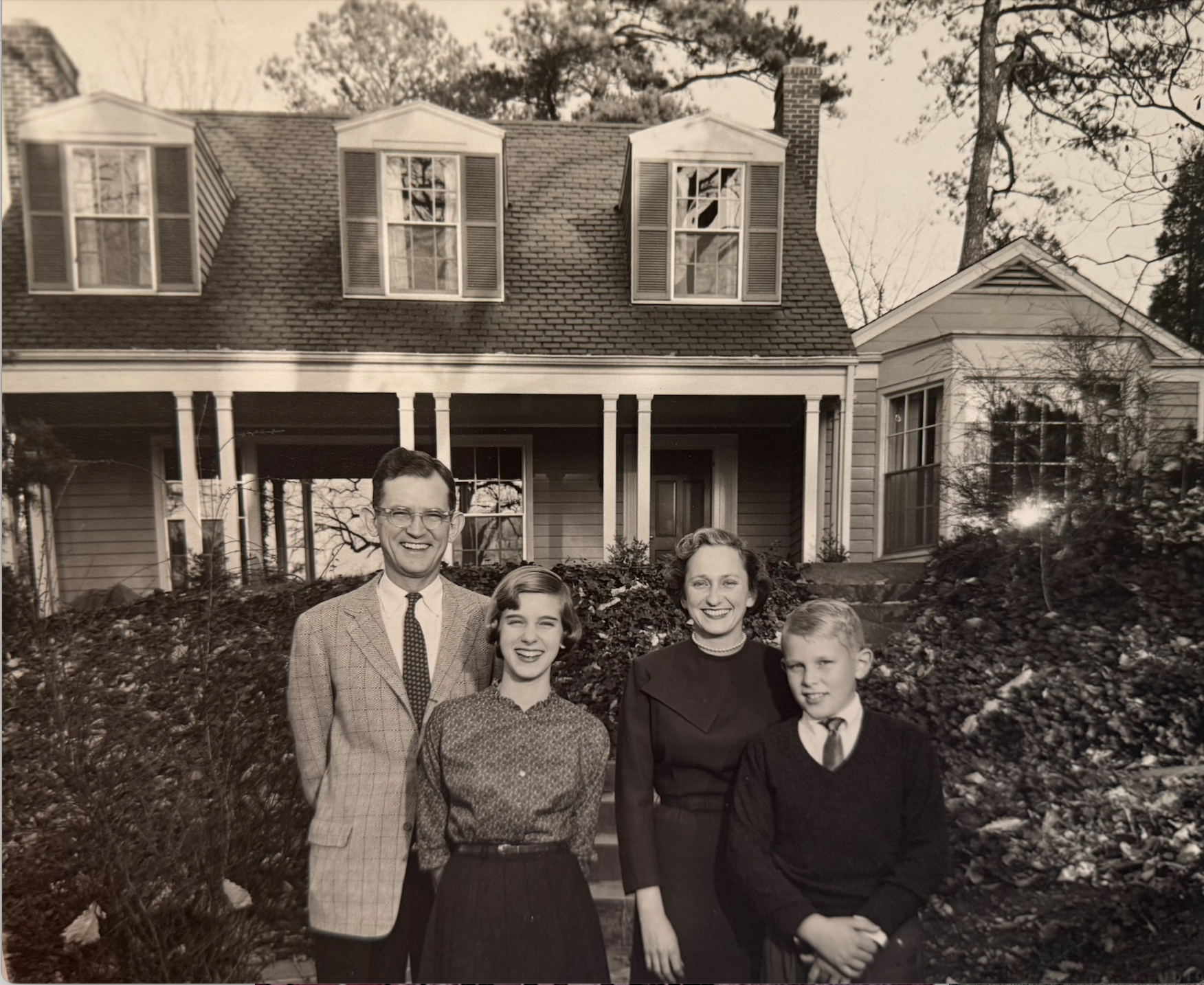
Warwick and Martha's House on St. Andrews
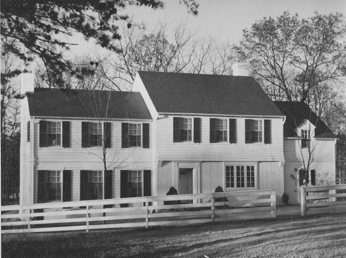
John and Edna's House